
Key Takeaways
- Sudden, severe pain, an inability to bear weight, a popping sound at the time of injury, or visible swelling and deformity around the heel are all signs that you need urgent care for Achilles pain.
- Ignoring Achilles pain can lead to serious complications, including a complete tendon rupture, chronic pain, and long-term mobility issues.
- Early and accurate diagnosis from a podiatrist is crucial for effective treatment and preventing further damage to the tendon.
- Proactive Podiatry offers expert care for Achilles pain, providing immediate relief and advanced treatment options. Schedule an appointment today to get the help you need.
Achilles pain can range from a mild ache to a debilitating injury. Located at the back of your ankle, the Achilles tendon is the largest in your body, connecting your calf muscles to your heel bone. It's essential for walking, running, and jumping. When this tendon becomes inflamed or injured, it can significantly impact your daily life. While some discomfort can be managed at home, certain symptoms demand immediate medical attention to prevent severe, long-term damage.
Understanding the difference between routine soreness and a true emergency is key. Delaying care for a serious Achilles injury can lead to complications like a full rupture, which may require surgery and a lengthy recovery. This guide will help you recognize the warning signs that indicate your Achilles pain requires urgent care and explain how the specialists at Proactive Podiatry can provide the prompt diagnosis and treatment you need.
Signs Your Achilles Pain Needs Urgent Care
It's important not to dismiss persistent or severe pain in your ankle area. Pay close attention to your body and look for these specific red flags that signal a need for immediate medical evaluation.
Sudden and Severe Pain
If you experience a sudden, sharp pain in the back of your ankle or calf, it could indicate a partial or complete tear of the Achilles tendon. This pain is often described as feeling like being kicked or struck in the leg. It is not a sensation you should ignore or try to 'walk off.' This level of pain is your body’s alarm system, signaling significant damage.
A Popping or Snapping Sound
Many people who experience an Achilles tendon rupture report hearing a distinct 'pop' or 'snap' at the moment the injury occurs. This sound is the tendon tearing. If you hear or feel this, stop all activity immediately and seek urgent medical care. Continuing to move can worsen the tear and complicate your recovery.
Inability to Bear Weight or Walk Normally
A serious Achilles injury will make it difficult or impossible to put weight on the affected foot. You might be unable to stand on your toes or push off the ground when you walk. This functional limitation is a clear sign that the tendon is no longer working correctly and requires professional assessment from a podiatrist. For any issues related to ankle pain, a specialist's diagnosis is vital.
Swelling and Bruising
Significant swelling around the back of the heel is a common symptom of an acute Achilles injury. You may also notice bruising that develops in the hours or days following the injury. While mild swelling can occur with minor tendinitis, rapid and extensive swelling points to a more severe problem like a tear.
The Dangers of Delaying Treatment
Waiting to see if your Achilles pain will go away on its own can be a risky strategy. The consequences of delaying professional care can be severe and have a lasting impact on your mobility and quality of life.
From Tendinitis to Tendon Rupture
Achilles tendinitis is the inflammation of the tendon, often caused by overuse. If left untreated, the persistent inflammation can weaken the tendon's structure over time. This makes it much more susceptible to a partial or complete rupture, even from minor missteps or movements. What might have been a manageable condition can escalate into a surgical emergency.
Chronic Pain and Degeneration
When an injury isn't allowed to heal properly, the body may form scar tissue that is less flexible than healthy tendon tissue. This can lead to chronic pain, stiffness, and a condition known as tendinosis—a degeneration of the tendon's collagen. Chronic Achilles issues can limit your ability to participate in sports, exercise, and even everyday activities.
Longer and More Complicated Recovery
Seeking prompt treatment for an Achilles injury often leads to a quicker and more successful recovery. Non-surgical treatments are typically more effective when started early. If an injury like a rupture is left for too long, the torn ends of the tendon can retract and fray, making surgical repair more complex and potentially less successful. Delaying care turns a straightforward problem into a complicated one with a much longer recovery timeline.
How Proactive Podiatry Diagnoses and Treats Achilles Pain
When you come to Proactive Podiatry with acute Achilles pain, the priority is to provide a swift and accurate diagnosis. The team uses a combination of physical examination and advanced imaging to determine the exact nature and extent of your injury.
A physical exam may involve checking for swelling, tenderness, and range of motion. Diagnostic ultrasound is often used in the office to get a real-time view of the tendon, allowing the podiatrist to see tears, inflammation, or degeneration clearly. This immediate feedback is crucial for developing an effective treatment plan right away.
Based on the diagnosis, an initial treatment plan will focus on relieving pain and stabilizing the area. This may include:
- Immobilization: Using a boot or cast to take pressure off the tendon and allow it to heal.
- Pain Management: Recommending anti-inflammatory medications to reduce pain and swelling.
- Activity Modification: Providing clear guidance on which activities to avoid.
Advanced Treatment Options for Lasting Relief
Proactive Podiatry offers a range of advanced treatments designed to promote healing and restore function for the long term.
Shockwave Therapy
Extracorporeal Shockwave Therapy (ESWT) is a non-invasive treatment that uses acoustic waves to stimulate the body's natural healing processes. It helps increase blood flow to the injured area, break down scar tissue, and accelerate tissue repair. It is a highly effective option for chronic Achilles tendinopathy that hasn't responded to other treatments.
Custom Orthotics
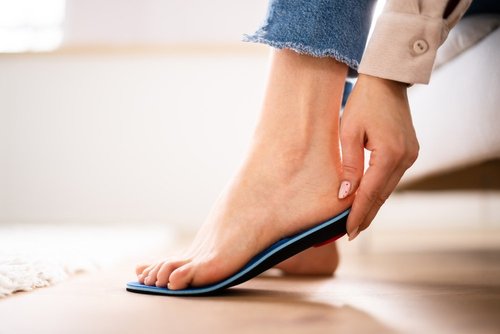
Improper foot mechanics are a common underlying cause of Achilles pain. If your feet overpronate (roll inward) or have other structural issues, it can place excessive strain on your Achilles tendon. Custom-molded orthotics are devices made to fit your specific foot structure. They correct alignment, provide support, and redistribute pressure, effectively treating the root cause of the strain.
Tips for Preventing Achilles Pain
Prevention is always the best medicine. You can reduce your risk of developing Achilles problems by incorporating these healthy habits:
- Stretch Regularly: Gently stretch your calf muscles and Achilles tendons daily, especially before and after exercise.
- Choose Proper Footwear: Wear supportive shoes that are appropriate for your activities and provide adequate cushioning for your heels.
- Increase Activity Gradually: Avoid sudden increases in the intensity or duration of your workouts. Give your body time to adapt.
- Maintain a Healthy Weight: Excess body weight puts more strain on your tendons and joints, including the Achilles.
- Listen to Your Body: Don't push through pain. If you feel discomfort in your Achilles, rest and modify your activities.
Get Expert Help for Your Achilles Pain Now
Don't let Achilles pain sideline you from your life. Understanding when to seek urgent care is the first step toward a full recovery. The team at Proactive Podiatry is here to provide the expert diagnosis and effective treatment you need to heal properly and prevent future problems.
If you are experiencing any of the urgent symptoms described above, or if your Achilles pain is limiting your activities, schedule an appointment with Proactive Podiatry. Let our specialists help you get back on your feet without pain.
Frequently Asked Questions
H3: How long does it take for an Achilles tendon to heal?
The healing time for an Achilles tendon injury varies greatly depending on its severity. Mild tendinitis might improve in a few weeks with rest and proper care, while a complete rupture that requires surgery can take six months to a year for a full recovery and return to sports.
H3: Can I treat Achilles pain at home?
For minor aches and soreness, the RICE method (Rest, Ice, Compression, Elevation) can be effective. However, if you experience severe pain, a popping sound, or cannot bear weight, you must seek professional medical care immediately. Home treatment is not appropriate for a suspected tear or rupture.
H3: What is the difference between Achilles tendinitis and tendinosis?
Achilles tendinitis is the acute inflammation of the tendon, usually from overuse, and is characterized by pain and swelling. Achilles tendinosis is a chronic, degenerative condition where the tendon's collagen breaks down without significant inflammation. Tendinosis develops when tendinitis is left untreated or becomes a recurring issue.
H3: Is walking bad for Achilles tendinitis?
Walking can aggravate Achilles tendinitis, especially if you walk for long distances or on uneven surfaces. If you have been diagnosed with tendinitis, your podiatrist will advise you on appropriate activity levels. In many cases, wearing a walking boot is recommended to immobilize the tendon and promote healing.